If you are on city water, someone else tests it constantly, publishes the results once a year, and answers to a regulator if the numbers go wrong.
If you are on a private well, none of that happens. No utility samples it, no annual report lands in your mailbox, and nothing tells you when something has changed. You are the entire quality control programme.
That is the single biggest practical difference between the two, and it is why well owners are so often the ones who find a problem late.
What is actually required
Very little, and that surprises people.
A private well is not on any testing schedule once it is in the ground. Your county environmental services department handles permitting and testing for private wells, and they are the right place to start for a certified laboratory result. Beyond permitting at the time of construction, ongoing testing is generally left to the owner.
So the honest framing is not “what am I required to do” but “what does a reasonable owner do.”
What a reasonable owner does
Annually, at minimum: bacteria and nitrates. These are the two that matter most and the two you cannot detect yourself. Bacteria has no taste, no smell and no colour. Nitrate is the same. If you test for nothing else, test for these.
Any time the water changes. A change in taste, smell or appearance is information, even if it settles down again a week later. Especially if it settles down again, in fact, because that pattern often points at something intermittent.
After flooding. Surface water reaching the wellhead is exactly how bacteria gets in.
After any work on the well. Pump replacement, casing work, anything that opens the system up.
Before you buy treatment equipment. Anyone quoting you a well system without a test is guessing at the equipment and the price both.
Two different kinds of test
This trips people up, so it is worth being precise.
A certified laboratory test is the official record. Samples are collected under controlled conditions, analysed by an accredited lab, and the result is the one that stands up for a mortgage, a real estate transaction, or a health question. Your county is the place to arrange it.
An in-home screening test, which is what we do, is a different tool with a different job. It reads hardness, pH, iron, chlorine and the rest on the spot, in about fifteen minutes, at the tap you actually use. It tells us what equipment your water needs. It is free and it carries no obligation.
Ours does not replace the lab result, and we will say so on the visit. Where our test flags something that needs confirming, such as a borderline lead reading, we tell you it needs laboratory confirmation rather than treating the screening number as settled.
What we do with the numbers
The readings decide the system, in a specific order.
- pH first if it is low, because acidic water damages plumbing and treatment equipment alike.
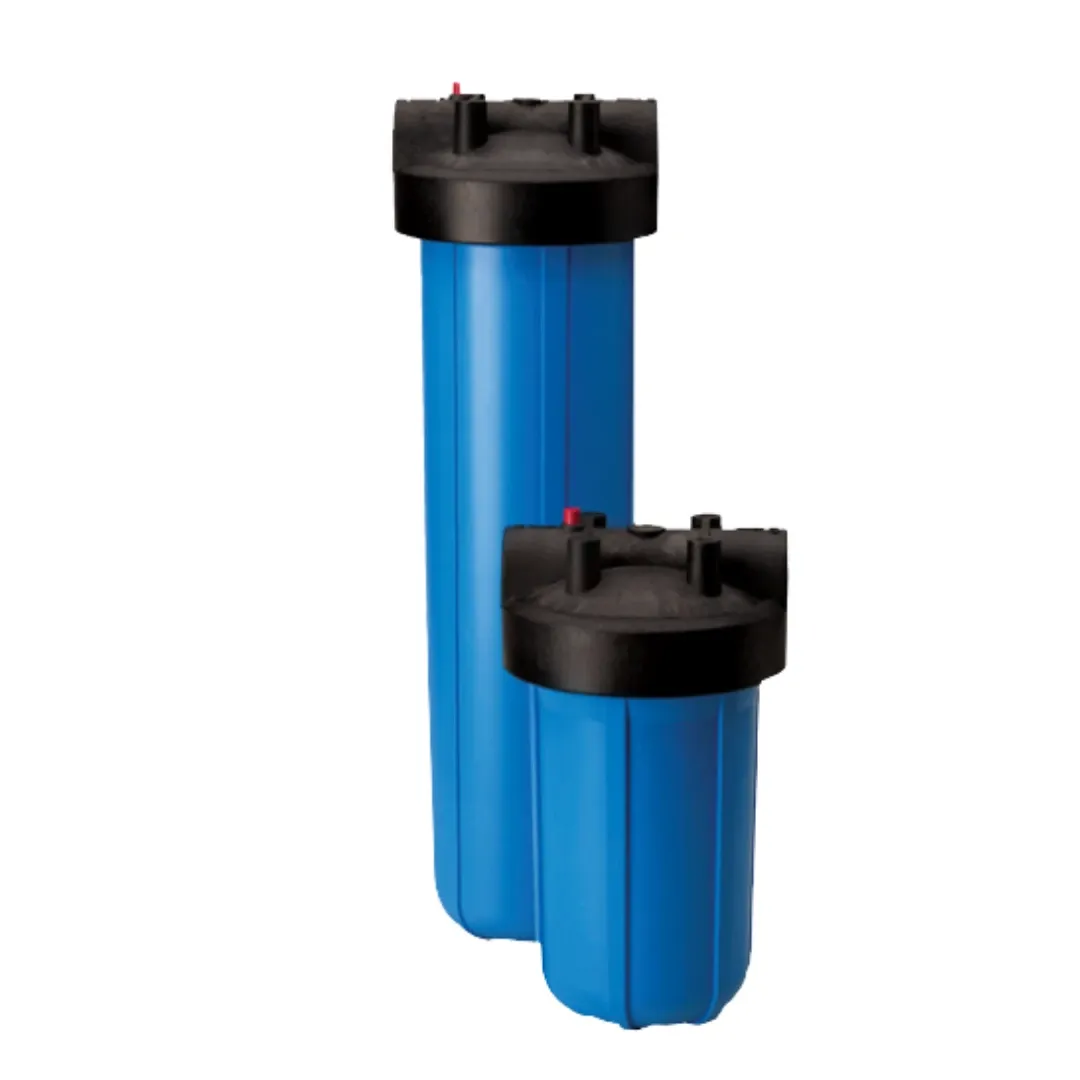
- Sediment next, because sand and grit shorten the life of everything downstream of them.
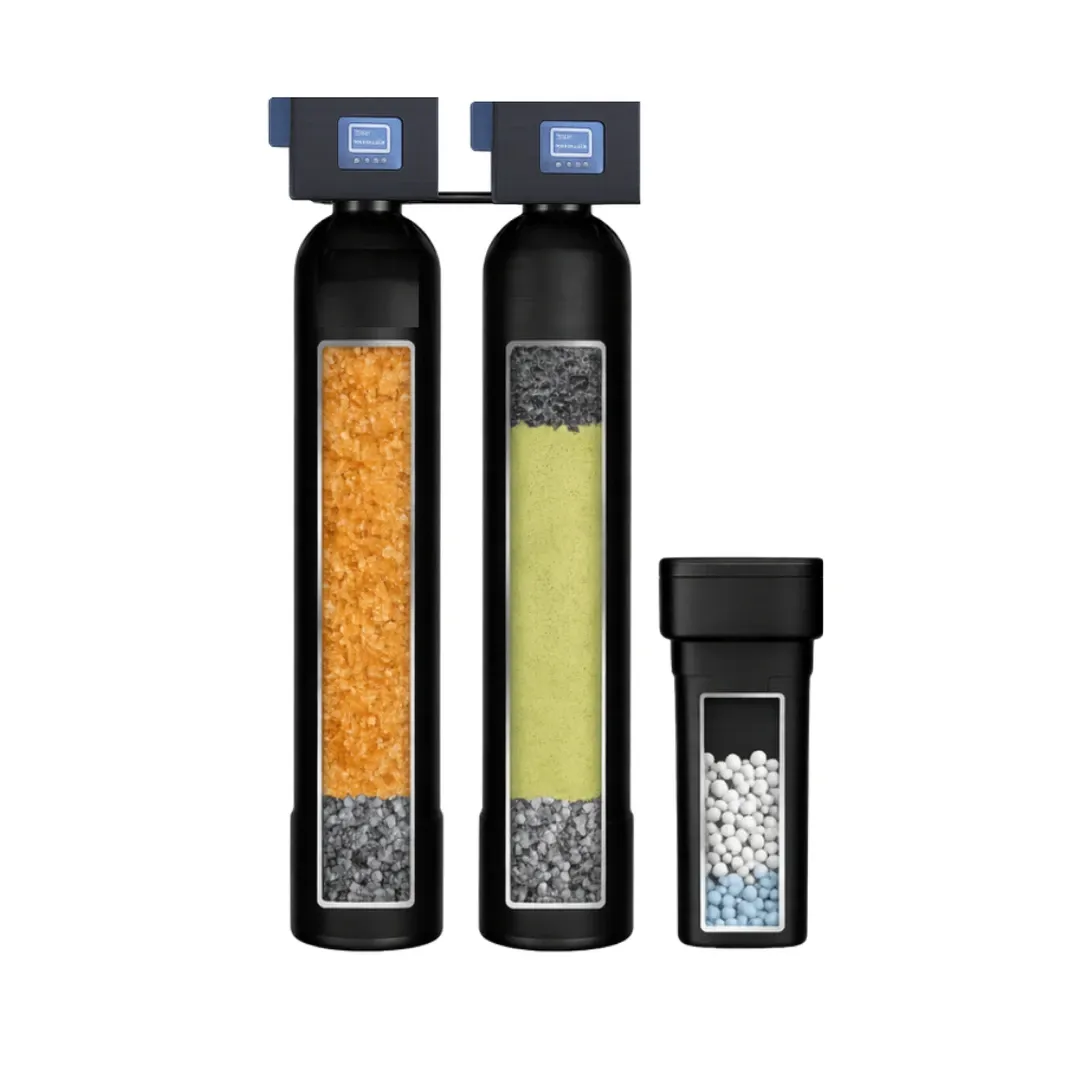
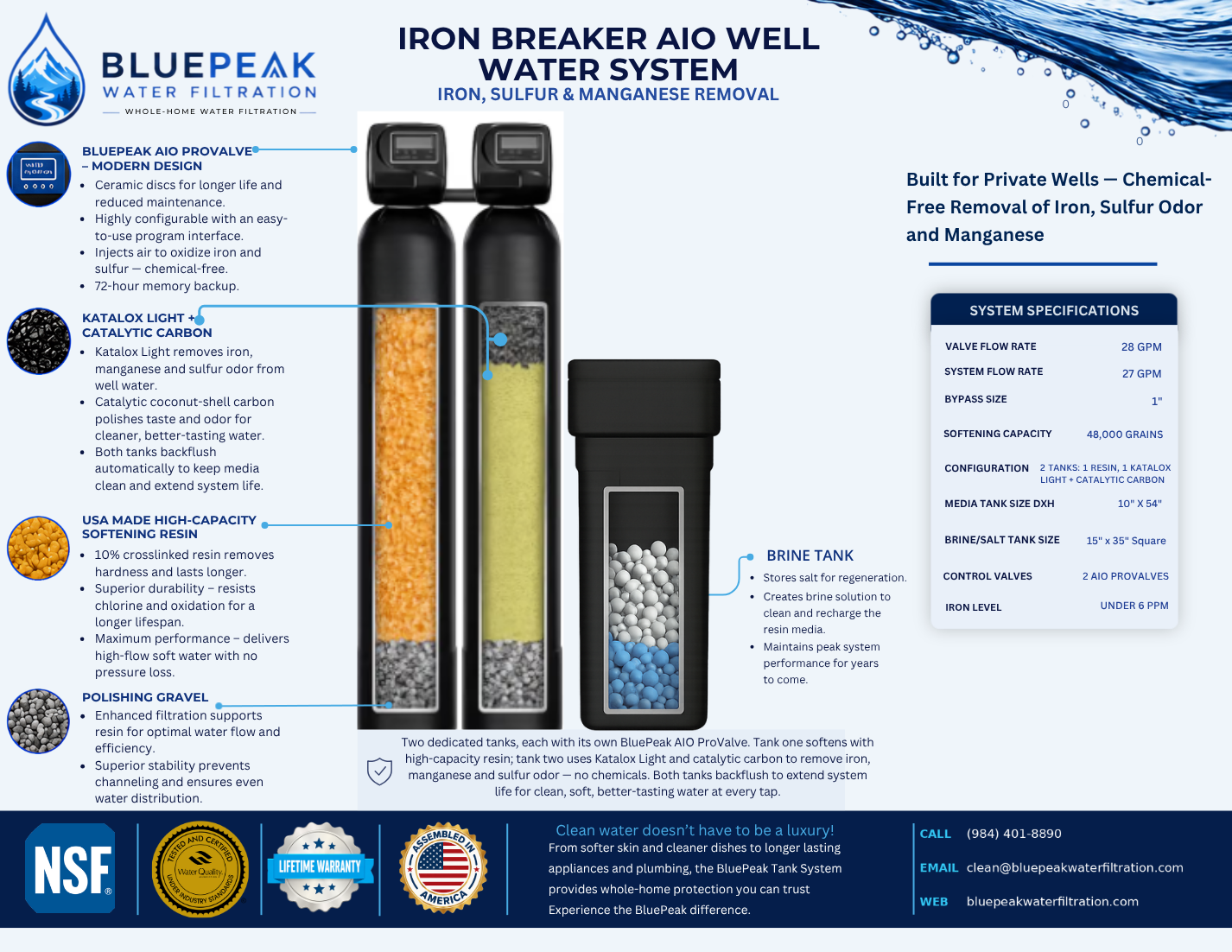
- Iron and sulfur, where the iron number itself decides whether air injection is enough or peroxide injection is needed.
- Hardness, handled by the softening stage.
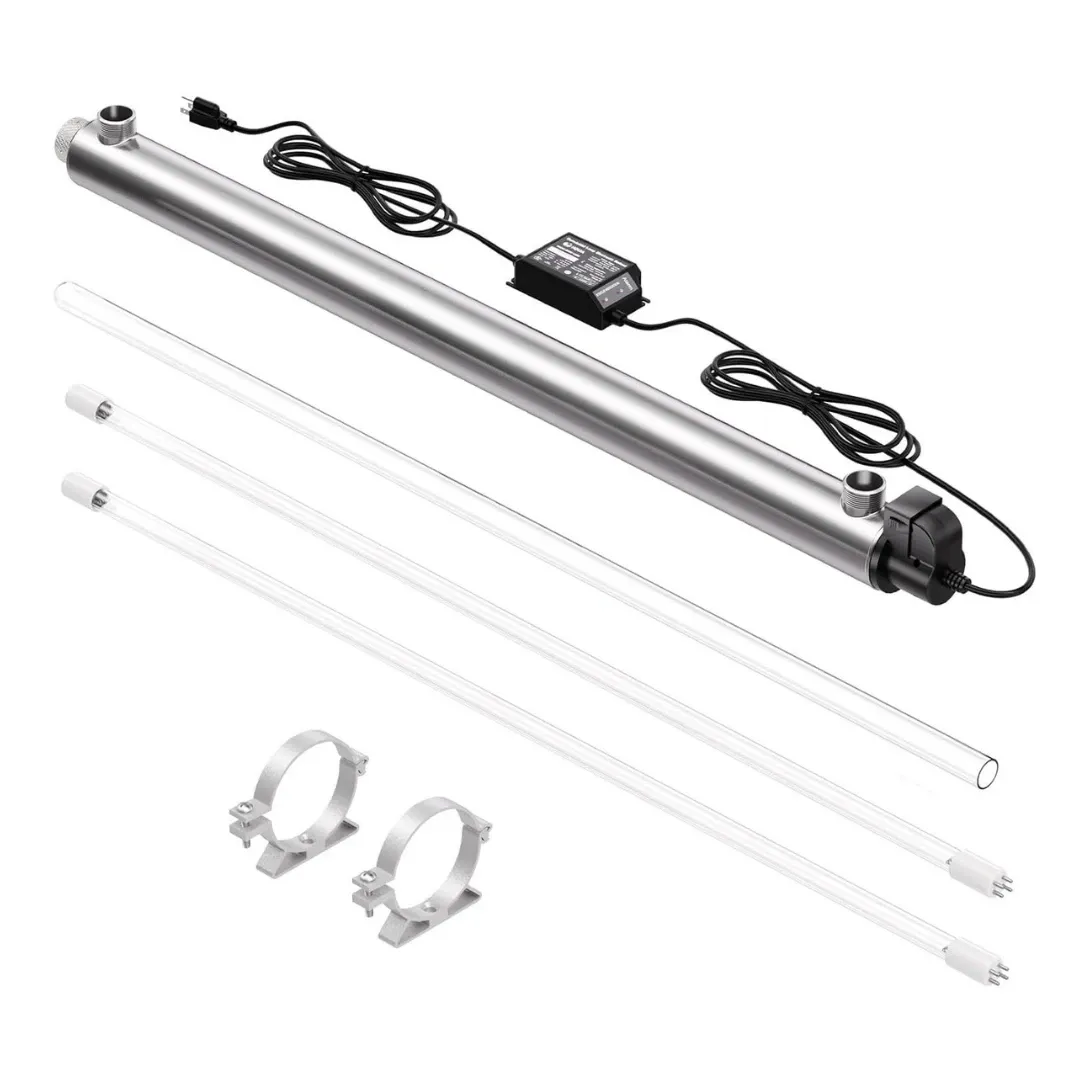
- Bacteria, treated with ultraviolet, which needs clear water upstream of it to work at all.
That order is why we test before quoting rather than after. Buying the stages out of sequence is the most expensive mistake on a well.